Catalysis research is a dynamic and evolving field in chemistry. It plays a crucial role in developing efficient and sustainable chemical processes. Recent advancements have led to significant breakthroughs that can change how industries operate. These innovations are not just theoretical; they have practical applications that can reshape energy use, reduce waste, and enhance material production.
In recent years, researchers have made strides in understanding catalyst mechanisms. New materials are being explored to improve performance. Some breakthroughs focus on making catalysis more eco-friendly and cost-effective. However, challenges still exist in scaling these discoveries for industrial use.
We must also reflect on the limitations of current research. Some methods are not yet feasible on a large scale. Others may require further refinement to optimize efficiency. Nonetheless, the potential impact of these breakthroughs is profound. They offer hope for a greener future while driving technological innovation.

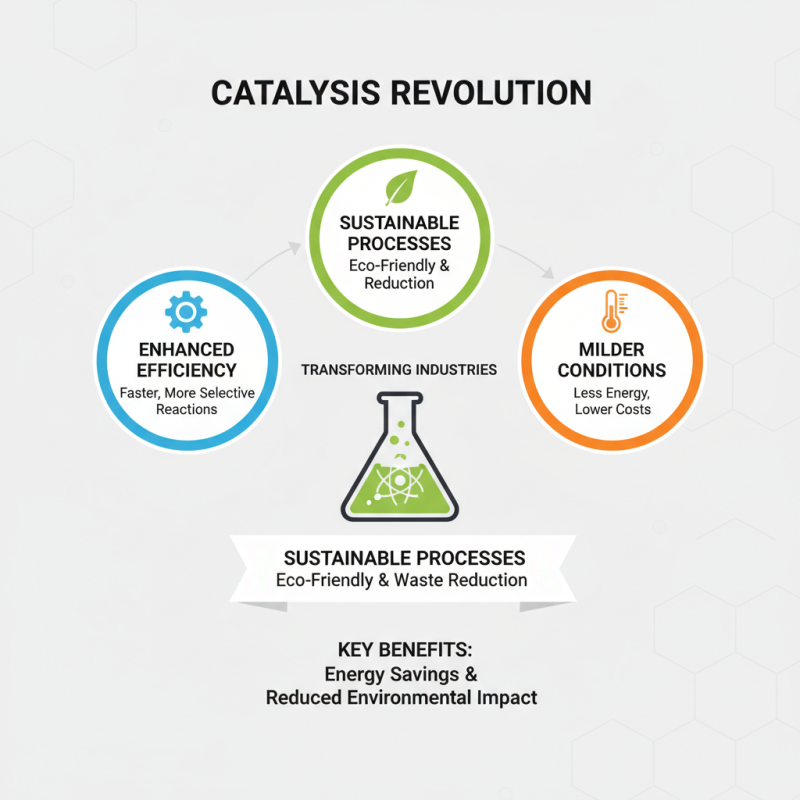
Recent advances in catalysis research have transformed various industries. Breakthroughs in this field are reshaping how we approach chemical processes. A key focus has been on enhancing efficiency and sustainability. Researchers are now developing catalysts that work in milder conditions, reducing energy consumption.
It’s fascinating how specific materials can accelerate reactions. For example, the use of nanomaterials has opened new avenues. These nanocatalysts are highly effective at lower temperatures. This makes processes not just faster but also eco-friendlier. However, challenges remain. The reliability and scalability of these innovations are still under scrutiny.
Tips: Always stay updated on new research. Follow journals and attend conferences. Discussing ideas fosters innovation. Engaging in collaborations can provide fresh perspectives. Embrace the trial-and-error nature of research—it leads to improvement. Remember, every failed experiment is a step forward in discovery.
Catalysis research is evolving rapidly, and new materials are driving impressive advancements. Innovative catalytic materials increase efficiency and selectivity in various chemical processes. Researchers are developing compounds that exhibit unique properties. These materials can enhance the speed of reactions while minimizing byproducts. For example, metal-organic frameworks (MOFs) appear to be noteworthy. They can be tailored for specific reactions, offering precise control over catalysts' activity.
Additionally, new approaches in nanostructured catalysts show promise. By manipulating the surface area, we can improve reactivity. These catalysts perform well, but some issues arise. Stability under operational conditions remains a concern. Researchers need to address this challenge to harness full potential. Another exciting innovation involves computational methods. Simulations help design catalysts with improved performance. Yet, practical applications of these designs often take time. There must be a balance between theoretical designs and real-world applicability. The field continues to push boundaries but requires constant critical thinking.
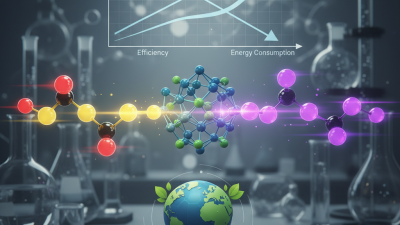
This chart represents the advancements in catalytic materials based on their efficiency and selectivity improvements over recent years. Each breakthrough is quantified by a hypothetical efficiency score reflecting its impact on the field.
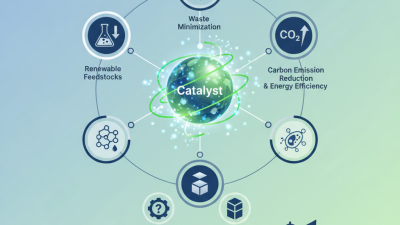
Sustainable catalysis is revolutionizing the way industries approach chemical processes. Green chemistry emphasizes reducing waste and energy usage. It focuses on using renewable resources. This shift is crucial for minimizing environmental impact. Many traditional methods are energy-intensive and produce harmful by-products.
New catalysts are being designed to be more efficient and less toxic. Some are based on natural materials, which are more eco-friendly. For instance, enzyme catalysts can facilitate reactions under mild conditions. They often replace harsh chemicals in conventional processes. As a result, energy consumption decreases significantly.
However, challenges remain. The scalability of these solutions is often a concern. Research is still needed to optimize these catalysts for industrial use. Additionally, the transition requires workforce training and investment in new technologies. Balancing innovation with practicality continues to be a complex task. The promise of sustainable catalysis is immense, but it demands thoughtful execution and adaptation.
Nanotechnology is transforming the field of catalysis. Nanostructured catalysts are showing great promise in various chemical reactions. These materials are often more effective than traditional catalysts. They can increase reaction rates and enhance selectivity. The tiny particle sizes allow for a higher surface area. This leads to more active sites available for reactions.
Using these advanced catalysts, researchers achieve significant improvements in efficiency. For instance, nanomaterials can facilitate processes that occur at lower temperatures. This not only saves energy but also helps in reducing costs. Yet, challenges remain. The scale-up of nanostructured catalysts is still a complex task. Concerns about stability and reusability also need to be addressed. Each of these factors requires your attention when considering future research directions.
Tip: Consider studying various nanomaterials. Experiment with particle sizes and shapes to find optimal combinations. Balance performance with stability. Understand that the perfect catalyst may not exist. Embrace learning from failures during research. Each attempt offers valuable insights that push the boundaries of what’s possible in catalysis.
Computational methods have transformed catalyst design and optimization in recent years. These techniques enable researchers to simulate chemical reactions and predict catalysts' performance. Instead of relying solely on trial and error, scientists can use powerful algorithms and models. This approach saves time and resources while enhancing effectiveness.
Tips: Consider using machine learning for deeper insights. This technology can analyze vast datasets quickly, revealing hidden patterns. Experiment with different models to find the best fit for your specific reactions.
However, challenges remain. The accuracy of computational predictions can vary. It's crucial to validate results through experimental work. Data quality and model limitations often lead to unexpected outcomes. Researchers must remain critical of their findings and continuously refine their methods.
Tips: Regularly update your computational tools to stay current. Collaborate with experts in both computational and experimental fields. Bridging the gap between these areas can lead to innovative solutions in catalysis research.
| Breakthrough | Description | Year of Discovery | Impact on Catalysis |
|---|---|---|---|
| Machine Learning in Catalyst Optimization | Integration of machine learning techniques to predict catalyst performance and optimize designs. | 2021 | Significantly reduced the time required for catalyst design. |
| High-Throughput Screening Techniques | Development of automated systems for rapid testing of numerous catalyst candidates. | 2019 | Enabled the discovery of highly efficient catalysts faster than traditional methods. |
| Nanostructured Catalysts | Study of catalysts at the nanoscale to enhance surface area and activity. | 2020 | Improved catalytic efficiency and selectivity in multiple reactions. |
| Computational Catalysis | Use of computational models to predict and understand catalytic mechanisms. | 2018 | Provided insights into how catalysts work at the molecular level. |
| Biocatalysis Innovations | Enhanced use of enzymes in catalysis to achieve greener processes. | 2022 | Offered sustainable alternatives to traditional chemical processes. |
| Single-Atom Catalysts | Research focused on catalysts consisting of single metal atoms for enhanced activity. | 2021 | Maximized catalytic efficiency by minimizing metal content. |
| MOFs in Catalysis | Application of metal-organic frameworks in catalytic processes. | 2020 | Achieved high surface area and tunability for specific reactions. |
| Electrocatalysis Advances | Improved catalysts for electrochemical processes like water splitting. | 2022 | Enabled energy storage and conversion technologies. |
| Augmented Catalytic Processes | Integration of artificial intelligence to fine-tune catalytic processes. | 2021 | Enhanced real-time process control and efficiency. |
| Sustainable Catalyst Development | Focus on developing catalysts from renewable resources. | 2023 | Promoted environmentally friendly practices in the chemical industry. |