
How to Navigate Chemical Process Development Effectively?
In the field of chemical process development, navigating the complexities can be challenging. Renowned expert Dr. Alice Chen once stated, "Understanding each phase of development is crucial for success." This highlights the importance of a structured approach.
Every step in chemical process development must be carefully evaluated. From initial concept to pilot scale, attention to detail is paramount. Often, teams overlook potential pitfalls. They may rush through the design phase or underestimate material costs. This can lead to delays or unexpected outcomes.
Moreover, communication within teams is vital. Misunderstandings can arise easily in a complex process. Regular updates and collaborative brainstorming sessions can mitigate this risk. A clear roadmap often reveals unforeseen challenges. Recognizing these issues early can save both time and resources during development.

Understanding the Basics of Chemical Process Development
Chemical process development is a systematic journey. It involves turning a conceptual idea into a tangible product. Understanding its basics is crucial for success. Every stage requires careful planning and execution. However, it is not always straightforward. Each decision might lead to unforeseen complications.
In the initial phase, research is vital. Gathering data fuels informed decisions. Scientists rely on experimentation and prototypes. Yet, this phase often reveals gaps in knowledge. Teams may overlook crucial variables. As a result, outcomes may differ significantly from expectations. Analyzing these discrepancies can lead to valuable insights.
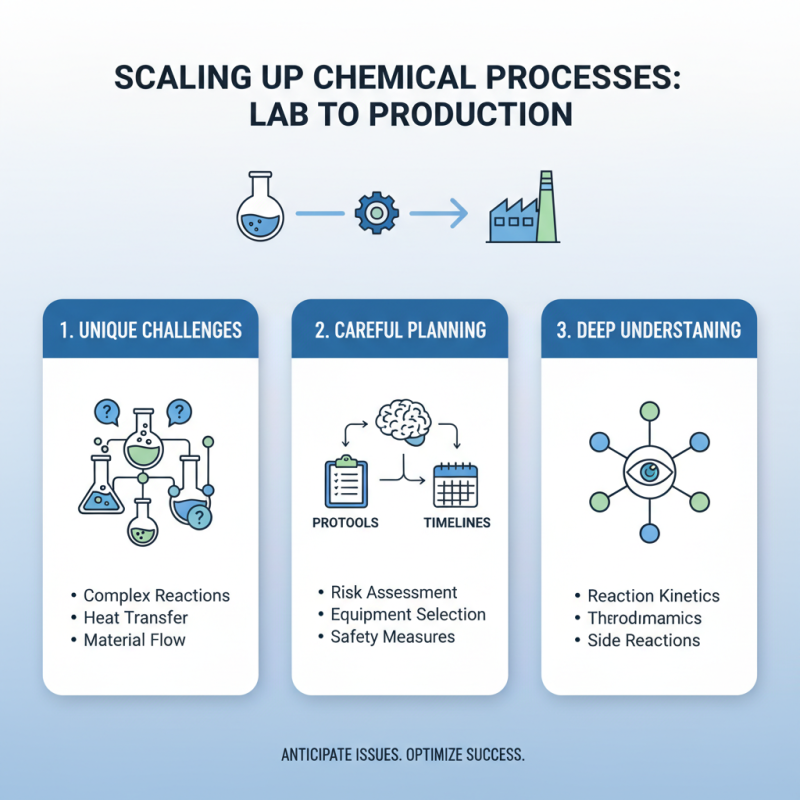
Moving forward, scaling up poses its own challenges. What works in a lab may not translate smoothly to larger production. Factors like equipment limitations can disrupt the process. Communication among team members becomes essential. Without clear dialogues, the risk of errors increases. Reflecting on past mistakes can foster improvement. This mindset is key to navigating the complexities of chemical process development. Each step teaches something new.
| Phase | Key Activities | Outcomes | Common Challenges |
|---|---|---|---|
| 1. Concept Development | Identify target chemicals, gather market intelligence | Clear project objectives and scope | Limited understanding of market needs |
| 2. Feasibility Study | Technical and economic assessments, process simulation | Feasibility report | Inaccurate data, assumptions |
| 3. Process Design | Develop detailed process flow diagrams, select technology | Preliminary design documentation | Technology selection issues |
| 4. Pilot Testing | Perform trials, gather operational data | Validated process parameters | Scaling challenges |
| 5. Scale-Up | Transfer to production scale, refine processes | Commercial production efficiency | Cost management |
| 6. Commercialization | Market launch, regulatory compliance | Successful market entry | Regulatory delays |
Related Posts
-

How to Succeed in the Fine Chemical Industry and Boost Your Business Growth
-
2026 Best Strategies for Chemical Process Development Techniques?
-

Top 10 Insights in Chemical Process Development You Need to Know?
-

How to Improve Efficiency in Chemical Manufacturing Processes
-
Top 10 Types of Chemical Catalysts You Should Know?
-

2025 Top Trends: Key Catalysts for Upsurge in Innovation and Growth