Iridium Catalyst Top Features and Benefits for Global Buyers?
In recent years, the demand for iridium catalyst in various industries has surged dramatically. According to a report by Research and Markets, the global catalyst market is expected to reach over $30 billion by 2025, with iridium catalysts playing a crucial role in this growth. These catalysts are known for their exceptional performance in chemical reactions, particularly in the production of hydrogen fuel cells and other vital applications.
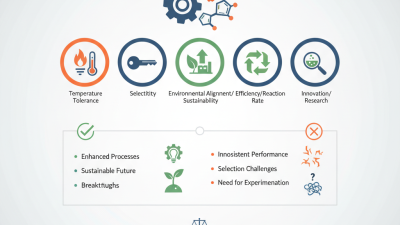
Iridium catalysts offer several advantages. They exhibit high activity and selectivity, making them ideal for complex processes. Their durability also ensures long-term usage, which can reduce operational costs dramatically. A study from TechSci Research highlights that the durability of iridium catalysts can improve efficiency by up to 40%, a significant benefit for manufacturers worldwide. However, it is important to note that the cost of iridium can be a barrier for some buyers, leading to careful consideration.
The iridium catalyst market is evolving. Buyers must stay informed about the latest developments and innovations. Understanding the benefits and challenges of these catalysts is key for making informed purchasing decisions. Expert insights indicate that while iridium catalysts provide superior performance, their availability can fluctuate, affecting supply chains. Hence, strategic planning is vital for global buyers looking to leverage these high-quality catalysts effectively.

Key Characteristics of Iridium Catalysts for Buyers
Iridium catalysts play a crucial role in various industrial applications, notably in hydrogen production and fuel cells. Their unique characteristics make them a top choice for many buyers globally. Studies indicate that iridium has excellent stability and resistance to corrosion. This durability ensures longer catalyst life, reducing replacement costs significantly. This is particularly beneficial in high-temperature environments, which are common in various chemical processes.
One key characteristic of iridium catalysts is their high activity. Reports show that iridium can catalyze electrochemical reactions effectively, leading to improved efficiency in energy conversion. For instance, they achieve up to 90% efficiency in some applications. This efficiency translates into energy savings and lower operational costs. Iridium’s ability to catalyze under extreme conditions makes it indispensable for advancing technologies in clean energy.
However, sourcing iridium can pose challenges due to its scarcity. The metal is rare, making it more expensive than other catalyst materials. Buyers must consider this factor when assessing overall costs. Despite the price, many industries still prioritize iridium for its unmatched performance. The delicate balance between cost and efficiency requires careful consideration, fuelling ongoing discussions about material alternatives and technological innovations.
Advantages of Iridium Catalysts in Industrial Applications
Iridium catalysts are gaining traction in various industrial applications due to their remarkable properties. They are known for their exceptional stability and resistance to degradation at high temperatures. According to recent industry reports, iridium catalysts maintain over 90% efficiency in catalytic reactions even after prolonged use. This durability translates to lower replacement costs for manufacturers, as downtime decreases significantly.
In the field of chemical production, iridium catalysts excel at facilitating reactions with higher selectivity. A 2022 study highlighted that these catalysts improve product yields by up to 25% compared to traditional alternatives. Such advancements not only enhance production efficiency but also reduce waste, aligning with global sustainability goals. Despite their strengths, the high cost of iridium remains a challenge.
Despite their advantages, the accessibility of iridium and market fluctuations present concerns. Companies must navigate the balance between cost and efficiency to optimize their production processes. As industries evolve, the demand for iridium catalysts is likely to grow, making them a compelling option for future developments.
Comparison of Iridium Catalysts with Other Catalytic Materials
Iridium catalysts stand out among various catalytic materials due to their unique properties. Their exceptional stability at high temperatures and resistance to corrosion make them ideal for demanding applications. Unlike palladium or platinum, iridium shows remarkable durability in harsh environments, which can lead to lower replacement costs.
When comparing iridium catalysts to other materials, their catalytic efficiency cannot be overlooked. Iridium is known for its ability to enhance reaction rates significantly. This advantage makes it a preferred choice in industries such as fuel cells and petroleum refining. However, the scarcity of iridium can pose supply chain challenges. Buyers should be aware of fluctuations in availability and pricing.
Choosing the right catalyst requires careful consideration. Think about the specific application and operational conditions. It may be beneficial to conduct a cost-benefit analysis. Sometimes, alternative materials might offer a better balance between performance and cost. Reflect on your long-term goals and sustainability practices when making decisions.
Factors to Consider When Purchasing Iridium Catalysts
When considering the purchase of iridium catalysts, there are several factors to keep in mind. First, assess the performance metrics. Look for catalysts that offer high activity and stability. Effective catalysts reduce reaction times and improve efficiency. Don't overlook the importance of durability. A robust catalyst can significantly lower replacement costs over time.
Analyzing supplier qualifications is crucial. Seek manufacturers with proven expertise in catalyst production. A solid reputation can indicate reliability and trustworthiness. Research their certifications and testing methods. Look into customer reviews for real-world insights. These elements contribute to a knowledgeable choice.
Finally, consider your specific application needs. Different industries might require unique catalyst features. Ensure compatibility with your processes. It’s also wise to think about the environmental impact. Emissions regulations are stricter now, so select catalysts that align with sustainable practices. Balancing performance with compliance is vital for the long-term success of your operations.
Future Trends in Iridium Catalyst Technology and Market需求
The future of iridium catalyst technology is poised for significant advancements driven by global market demands. As industries seek cleaner and more efficient processes, the role of iridium catalysts is becoming increasingly vital. Their unique properties enable superior performance in various applications, particularly in fuel cells and chemical reactions.
Emerging trends show a growing interest in sustainability. Iridium's high efficiency and low environmental impact make it an appealing choice for manufacturers. However, supply challenges remain a concern. The scarcity of iridium could impede growth, leading to increased pricing and competition. This can create a paradox in valuing iridium catalyst benefits versus accessibility.
Investing in research and development is crucial. Innovations may focus on optimizing iridium usage or finding alternatives. Collaboration among research institutions and industries can foster new solutions. As buyers navigate these changes, understanding the evolving landscape is essential for making informed decisions in catalyst procurement. The balance between cost, efficiency, and sustainability will define future strategies.
Analysis of Iridium Catalyst Features and Benefits