What is a Hydrogenation Catalyst and How Does it Work?
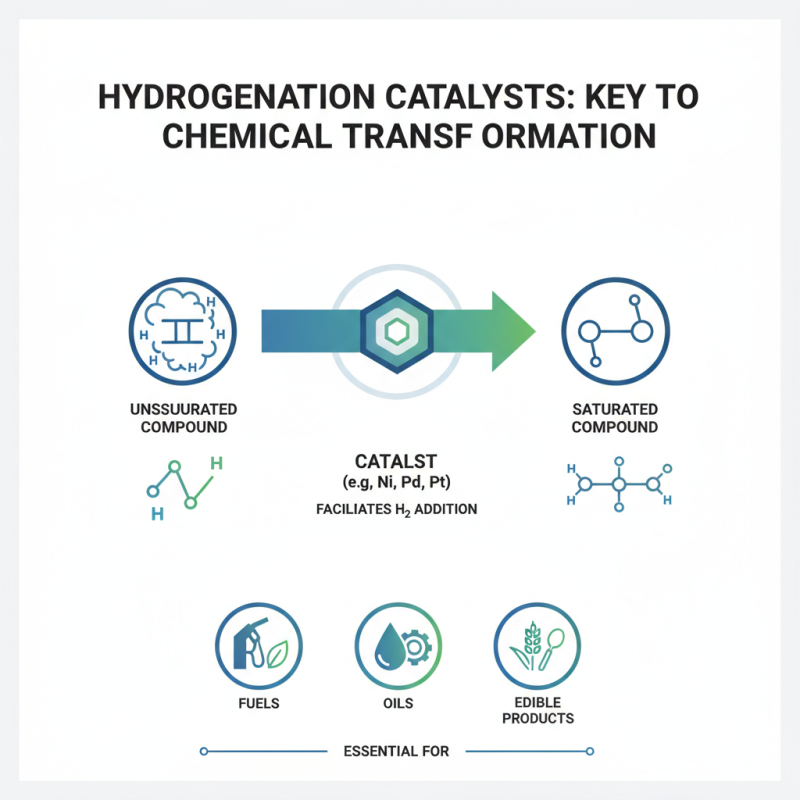
A hydrogenation catalyst plays a critical role in chemical reactions. It helps accelerate the process of adding hydrogen to compounds. This reaction is essential in various industries, such as food and fuel production.
Hydrogenation catalysts can be metals, like platinum or palladium. They provide surfaces for reactants to come together and react more efficiently. This efficiency is crucial for producing edible oils or cleaner fuels. However, the choice of catalyst can complicate the reaction. Some materials may not perform well under certain conditions.
Challenges exist in using hydrogenation catalysts. Their effectiveness can vary based on temperature and pressure. This variability might lead to unexpected results. Understanding these factors is crucial for optimizing processes. Ultimately, the careful selection and use of a hydrogenation catalyst can make or break a reaction.
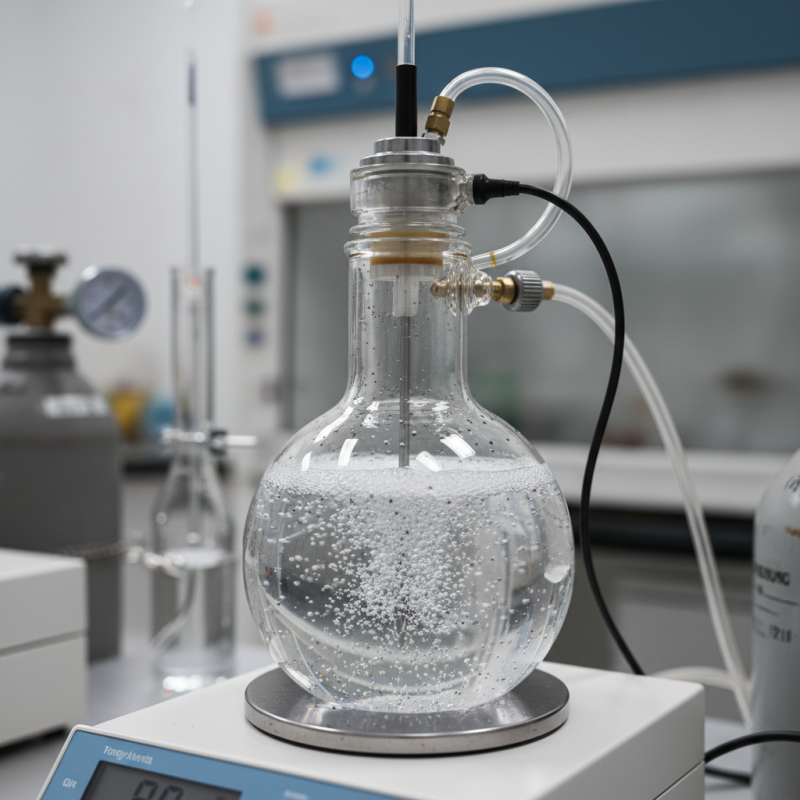
A hydrogenation catalyst plays a crucial role in chemical reactions. It facilitates the addition of hydrogen to unsaturated compounds. This process transforms liquids into stable products. The catalyst itself often remains unchanged. Common materials include metals like platinum and palladium. They provide a surface for reactions to occur efficiently.
In practice, hydrogenation occurs in various industries. It can convert vegetable oils into solid fats, like margarine. This method changes the texture and improves shelf life. However, not every reaction achieves ideal results. Sometimes, unwanted by-products form. It raises questions about the efficiency of the catalyst used.
The effectiveness of a hydrogenation catalyst depends on factors like temperature and pressure. Higher temperatures can accelerate reactions but may also lead to side reactions. Monitoring these conditions is vital. Small changes can impact the outcome. Researchers continually seek improvements. The quest for better catalysts presents challenges. Finding the balance between efficiency and selectivity is not easy.
What is a Hydrogenation Catalyst?
Catalyst Type
Common Uses
Chemical Reaction
Reactivity
Nickel (Ni)
Vegetable oil to margarine
Alkene to alkane
Moderate
Palladium (Pd)
Fine chemicals synthesis
Alkene to alkane
High
Platinum (Pt)
Hydrogenation in pharmaceuticals
Alkene to alkane
Very High
Ruthenium (Ru)
Bulk chemical production
Alkene to alkane
Moderate to High
The Role of Hydrogenation Catalysts in Chemical Reactions
Hydrogenation catalysts play a crucial role in various chemical reactions. They help facilitate the addition of hydrogen to unsaturated compounds. This process transforms double bonds into single ones, making substances more stable. Such reactions are essential in producing various fuels, oils, and edible products.
In the presence of a catalyst, hydrogenation occurs at a faster rate. The catalyst lowers the energy required for the reaction. It allows for milder conditions to be used. In many industrial applications, this is a game-changer when scaling up production. However, not all catalysts work effectively with every reaction. Sometimes, unexpected results can occur. Variations in temperature or pressure may lead to suboptimal outcomes.
Tips: Always conduct preliminary tests. Adjust your conditions gradually to find optimal settings. Monitor your reaction closely. This helps prevent potential failures and wasted resources. Experimenting with different catalysts can lead to improved results. Keep a detailed record of your findings to analyze what works best. This can help refine processes in the future.
Types of Hydrogenation Catalysts and Their Applications
Hydrogenation catalysts are essential in various chemical processes. They facilitate the addition of hydrogen to unsaturated compounds. There are several types used across different industries. Each type has unique properties and applications.
One common catalyst is palladium. It is widely used in organic chemistry. Palladium can handle a range of substrates efficiently. Another popular option is nickel. This catalyst is often used in the food industry. Nickel hydrogenates fats and oils. It can produce margarine or shortenings with the right conditions.
Recent developments have introduced alternatives like ruthenium and iridium. They show promise in fine chemical synthesis. However, their higher cost poses challenges for wider usage. Research continues to explore optimization of these catalysts. Balancing efficiency and cost remains a topic worth discussing.
Mechanism of Action: How Hydrogenation Catalysts Work
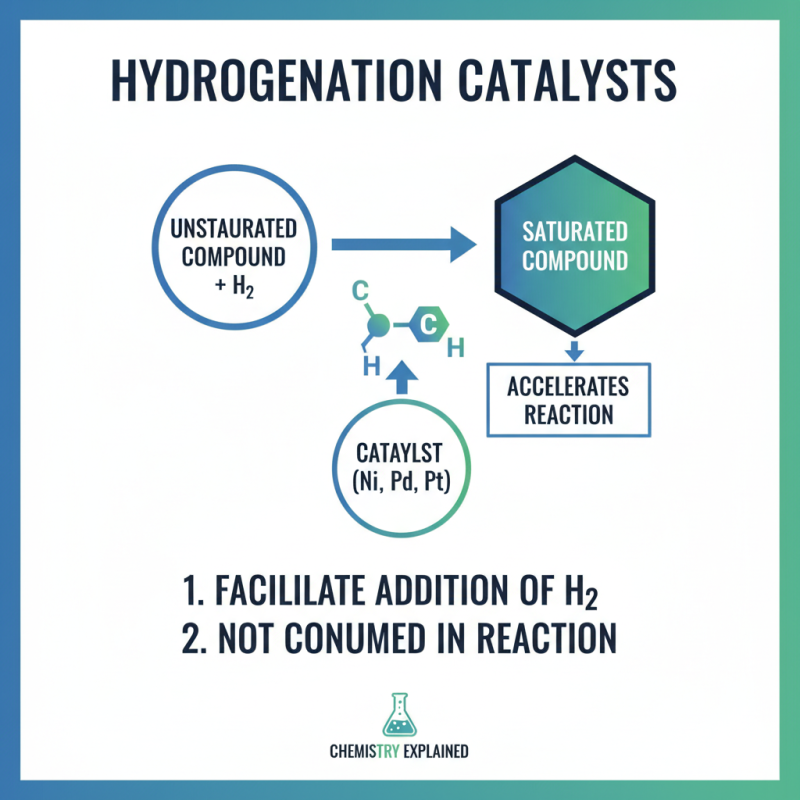
Hydrogenation catalysts play a crucial role in chemical reactions. They speed up the process of adding hydrogen to unsaturated organic compounds. This reaction can create saturated compounds, changing the properties of the original material. Catalysts themselves are not consumed in the process; they facilitate the reaction without being altered.
The mechanism begins when the catalyst interacts with hydrogen and the unsaturated compound. This interaction creates an intermediate complex. The catalyst's surface provides a location for the reactants to come together. Hydrogen atoms bind to the catalyst, making them more reactive. The bonds in the unsaturated compound then break, allowing hydrogen to attach. This energy exchange is vital for the efficiency of the reaction.
Sometimes, catalysts can be unpredictable. They may work well with one compound but not another. This inconsistency can lead to incomplete reactions or unwanted byproducts. Researchers often need to refine their techniques. Learning from failures becomes essential in optimizing catalyst performance. Understanding this imperfect nature helps improve future applications in hydrogenation processes.
Factors Influencing the Efficiency of Hydrogenation Catalysts
Hydrogenation catalysts play a crucial role in various industries, especially in the production of fuels and edible oils. Their efficiency is influenced by several key factors. Temperature and pressure are two critical variables. Higher temperatures can increase reaction rates but may also deactivate some catalysts. Pressure often enhances the hydrogenation process, leading to higher product yields.
The choice of catalyst material is significant. Precious metals, such as palladium and platinum, are highly effective but expensive. Transition metals like nickel are cost-effective alternatives. A report by the International Energy Agency states that optimizing catalyst materials can improve efficiency by up to 30%. Surface area also affects performance. Larger surface areas allow for more active sites, facilitating better reactions.
Tips: Regularly monitor your reaction conditions. Small adjustments can lead to significant improvements. Additionally, consider the long-term costs. Sometimes, high-efficiency catalysts may save money over time despite a higher upfront investment.
Maintaining catalyst stability poses another challenge. Deactivation can occur due to impurities in reactants or excessive temperatures. Addressing these factors is essential for achieving consistent results.
Factors Influencing the Efficiency of Hydrogenation Catalysts