What is the Future of the Fine Chemical Industry?

The fine chemical industry plays a crucial role in modern manufacturing. It produces specialty chemicals that enhance various products. These include pharmaceuticals, agrochemicals, and polymers. As technology advances, the industry must adapt to new challenges and opportunities.

Environmental regulations are becoming stricter. Companies need to innovate in sustainable practices. This shift may drive many traditional manufacturers to rethink their strategies. Additionally, the global market demand for fine chemicals is rising. However, competition is fierce, and many face pressure to reduce costs.

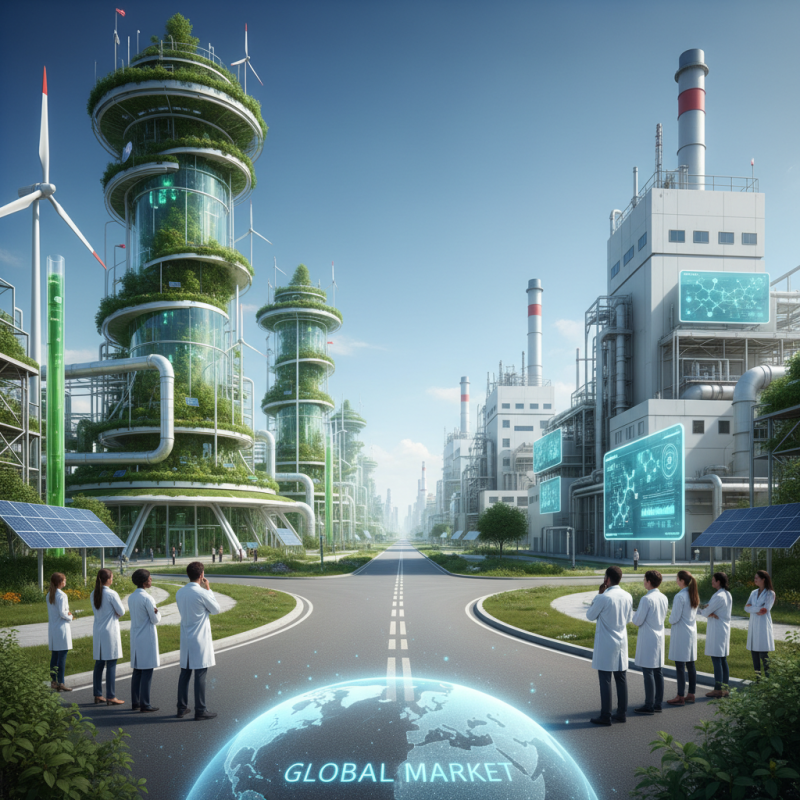
Future trends show a focus on biobased products and green chemistry. Companies must balance profitability with ethical production. This transformation may not be easy and will require significant investment. The fine chemical industry stands at a crossroads. The decisions made today will shape its future for years to come.
What is the Future of the Fine Chemical Industry?

Future Trends in Fine Chemical Industry: Market Growth Projections
What is the Future of the Fine Chemical Industry?

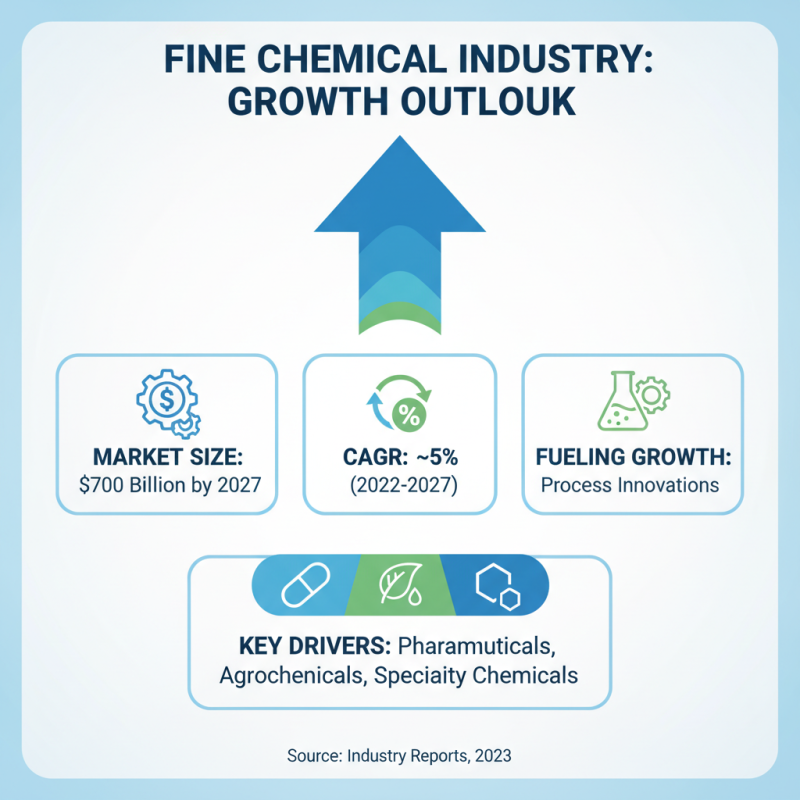
The fine chemical industry is on a growth trajectory. By 2027, it is expected to reach a market size of approximately $700 billion. This reflects a compound annual growth rate (CAGR) of around 5%. Key factors driving this growth include increasing demand in pharmaceuticals, agrochemicals, and specialty chemicals. Innovations in production processes also play a crucial role.

However, challenges remain. Environmental regulations are tightening. Many companies must invest in sustainable practices, which can be costly. For instance, a recent report notes that nearly 30% of fine chemical manufacturers struggle to comply with new sustainability standards. R&D spending is essential, but some firms lag behind due to budget constraints.

The market's competitive landscape is evolving. Many players are focusing on niche markets. The rise of bioprocessing technology shows promise but requires significant investment. Reports indicate that over 40% of companies are hesitant to adopt new technologies due to perceived risks. Balancing innovation and cost-effectiveness presents ongoing challenges in the industry.
Technological Innovations Shaping the Future of Fine Chemicals

The fine chemical industry is evolving rapidly. Technological innovations are driving significant changes. Automation plays a crucial role in enhancing production efficiency. It reduces human error and increases consistency. Many companies are now investing in smart manufacturing techniques.

Sustainability is another trend reshaping this sector. New processes aim to minimize waste. For instance, greener catalysts are being developed. These alternatives reduce reliance on toxic substances. However, some methods are still not practical for widespread use. More research and testing are necessary.

Digitalization is transforming operations. Real-time data analysis helps in decision making. Yet, some small players struggle to adapt. They may lack the resources or skills to integrate advanced technologies. Overall, while innovation promises great potential, it also presents challenges for many in the industry.

Future Trends in the Fine Chemical Industry

This chart illustrates the projected investment in various technological innovations within the fine chemical industry. Investments in green chemistry and biotechnology are anticipated to lead the way as industries focus on sustainability and efficiency.

Sustainability Practices and Their Impact on Fine Chemical Production

Sustainability in the fine chemical industry is a pressing concern. Companies are shifting towards greener practices. This change is driven by both regulations and market demand. More consumers prefer eco-friendly products. Thus, companies must adapt to survive.

Many fine chemical producers are exploring alternative raw materials. Biobased feedstocks are gaining traction. They help reduce reliance on fossil fuels. However, these materials often come with their own challenges. Sourcing and processing can be complicated. There may be questions about availability and cost-effectiveness.

Waste management is another critical area. Implementing zero-waste initiatives can be difficult. Reducing waste involves rethinking production processes. Some companies have made significant progress here. Others still struggle with inefficiencies. Continuous improvement in this area is vital for true sustainability. Each step taken contributes to a larger goal, but many gaps still exist that require attention.

Regional Analysis: Fine Chemical Industry Growth in Emerging Markets

What is the Future of the Fine Chemical Industry?

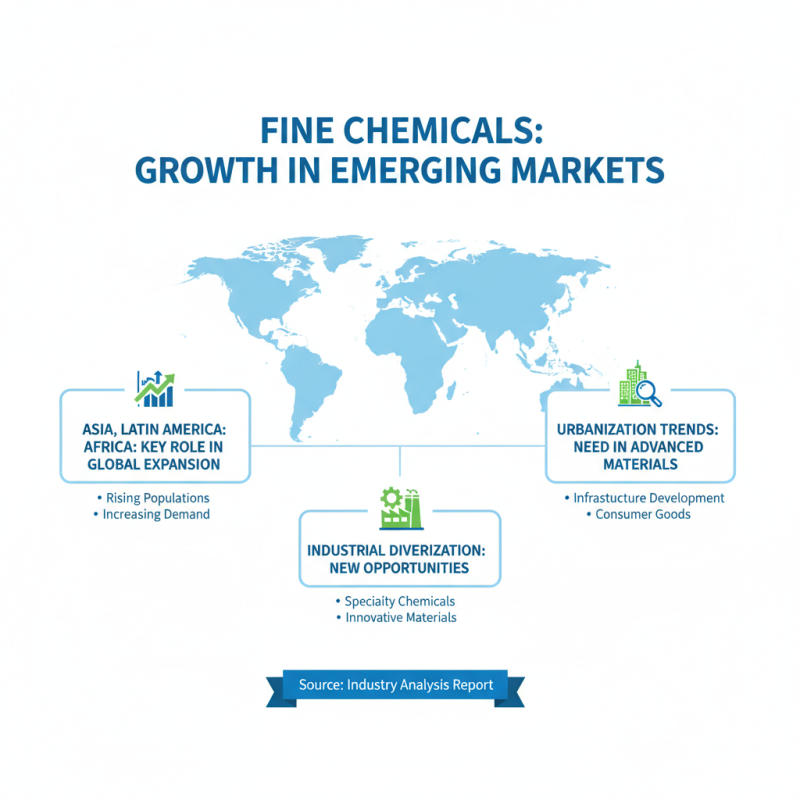
The fine chemical industry is witnessing significant growth in emerging markets. Countries in Asia, Latin America, and Africa are playing a crucial role. These regions have rising populations and increasing demand for specialty chemicals. Their industrial diversification leads to more opportunities for fine chemicals. With urbanization, the need for innovative materials also rises.

Tips: Focus on local markets. Understand cultural nuances. Tailor offerings to regional needs. Quality is paramount when entering new territories.

Emerging markets face unique challenges. Infrastructure concerns can impede progress. Regulatory landscapes may vary widely. Companies must adapt quickly. Sometimes, investments in local partnerships help navigate these issues.

Tips: Develop strong local relationships. Engage with community leaders. Learn from the ground up. Anticipate regulatory changes proactively.

The future holds promise, but uncertainties persist. Companies must remain agile. Understanding consumer behavior is key. The fine chemical industry in these regions can either thrive or face setbacks. Careful planning and local insights are essential for success.

Challenges and Opportunities in Fine Chemical Supply Chains

The fine chemical industry faces significant challenges in its supply chains. Globalization has led to complex interdependencies. Disruptions in one part of the world can ripple through the entire supply chain. These disruptions can be due to natural disasters, political instability, or pandemics. Fine chemical manufacturers must navigate these issues carefully.

There are opportunities amidst these challenges. Companies can enhance their resilience by diversifying suppliers. Investing in local production can mitigate risks associated with distant supply chains. Digital tools, such as analytics and AI, can help predict potential disruptions. Yet, many companies still rely on outdated models, which may be unwise.

Tips: Regular training for employees can improve flexibility. Encourage innovation within teams. Emphasizing sustainability in sourcing can also attract eco-conscious clients. Companies that adapt will thrive. Still, many businesses struggle with making these changes. Reflecting on past failures can guide future strategies. Addressing weaknesses is crucial for growth in this dynamic industry.

What is the Future of the Fine Chemical Industry? - Challenges and Opportunities in Fine Chemical Supply Chains

Dimension Current Situation Challenges Opportunities
Raw Material Sourcing Limited suppliers; high volatility Supply disruptions; price hikes Diversification of suppliers; sustainable sourcing practices
Regulatory Challenges Strict compliance standards Complexity of regulations Innovation to meet standards; eco-friendly product development
Supply Chain Transparency Increased demand for transparency Lack of visibility; data integrity issues Implementation of blockchain; improved tracking systems
Technological Advances Emerging technologies shaping production High initial investment costs Automation; digital transformation
Market Demand Trends Shift towards specialty and high-performance chemicals Competitive pressure Expanding into new markets; product diversification