10 Essential Tips for Choosing the Right Catalysts and Technologies

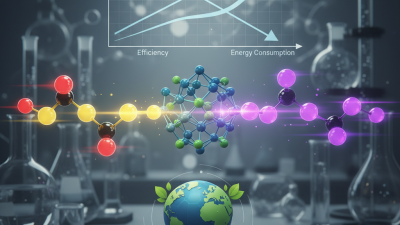
Choosing the right catalysts and technologies is crucial in various industries, impacting efficiency and sustainability. Dr. Emily Franks, a renowned expert in this field, once remarked, "The right catalyst can revolutionize a process." This statement emphasizes the importance of selecting the best options available.

In today's fast-paced market, companies face numerous challenges. They must evaluate the latest advancements in catalysts and technologies. Each choice can lead to significant outcomes, whether improving reaction rates or reducing environmental impact. Understanding these elements is vital for making informed decisions.

However, not every choice is straightforward. There are countless products and solutions out there. Evaluating their true effectiveness can be daunting. In addition, some cutting-edge technologies may promise more than they deliver. Careful consideration and research are essential. Making a hasty decision could result in setbacks. Emphasizing thorough analysis and expert consultation is crucial in this complex landscape.

10 Essential Tips for Choosing the Right Catalysts and Technologies

Understanding the Role of Catalysts in Chemical Reactions
10 Essential Tips for Choosing the Right Catalysts and Technologies

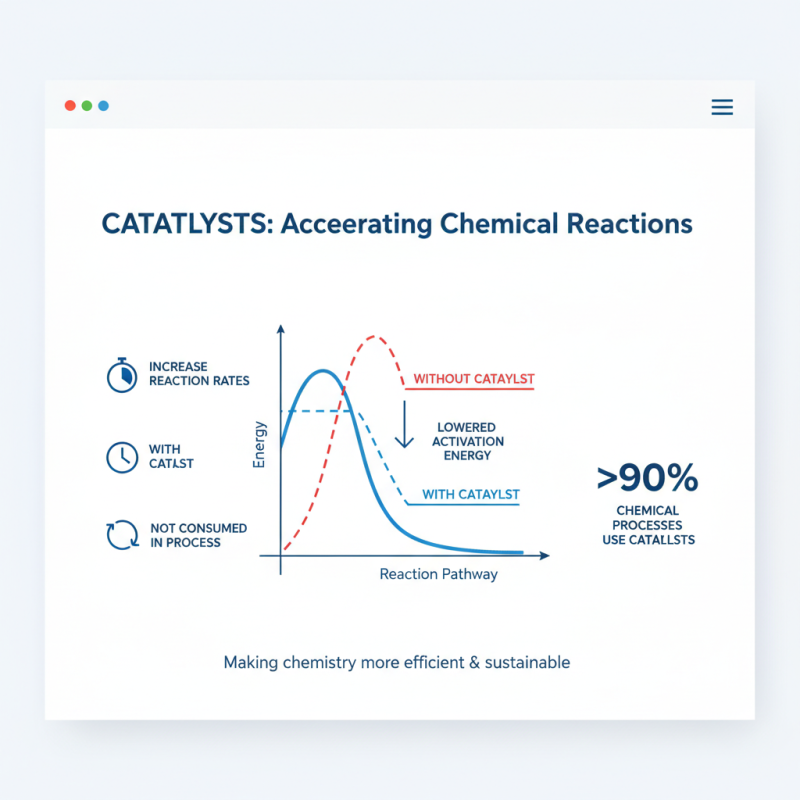
Catalysts play a critical role in enhancing chemical reactions. They increase reaction rates without being consumed in the process. According to industry reports, over 90% of chemical processes utilize catalysts, underscoring their importance. These substances lower activation energy, facilitating reactions that would otherwise require harsher conditions.

In choosing the right catalyst, factors like selectivity and stability must be considered. A well-chosen catalyst can improve yield and reduce production costs. Recent studies indicate that even small changes in catalyst structure can lead to significant variations in performance. For instance, metal catalysts often exhibit different activity levels based on particle size. It can be challenging to balance performance with cost-effectiveness.

However, not all catalysts perform as expected. Activity might decline over time due to deactivation processes. This creates a need for ongoing evaluation and adjustment in processes. As much as we rely on established data, unpredictability looms large in catalyst selection. Decisions may seem straightforward based on lab results, but the real-world impact can differ greatly. Understanding these nuances is essential for optimizing chemical reactions effectively.

Evaluating Different Types of Catalysts for Specific Applications

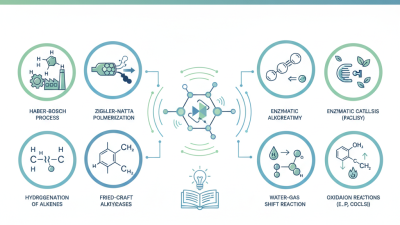
Choosing the right catalysts for specific applications is crucial to efficiency and effectiveness. Different types of catalysts serve various purposes, and understanding their properties can make a significant difference in outcomes. Catalysts can be classified into homogeneous and heterogeneous types. Each type responds uniquely to chemical reactions. For example, homogeneous catalysts may offer better selectivity but can be more challenging to separate from the products.

Tip: Always assess the specific requirements of your reaction. Consider factors like temperature, pressure, and desired yield. These parameters will influence your choice of catalyst. Additionally, it is essential to evaluate the environmental impact of the catalyst. Some may produce unwanted byproducts, while others follow greener chemistry. The right catalyst not only enhances efficiency but also aligns with sustainability goals.

Another consideration is the physical form of the catalyst. Solid catalysts may be more manageable but can lead to issues like deactivation over time. Liquid catalysts might offer flexibility but can complicate recovery processes. Reflecting on these details can guide better decisions. Keep in mind that trial and error may be necessary to find the optimal match. Experimentation can be revealing but may also lead to unexpected challenges.

Assessing Technological Compatibility with Existing Processes

Assessing technological compatibility with existing processes is crucial when selecting catalysts and technologies. Alignment minimizes disruption and maximizes efficiency. According to a report by the International Energy Agency, companies can achieve up to 25% energy savings by integrating compatible technologies.

Tip 1: Evaluate existing process parameters. Understanding temperature, pressure, and flow rates helps in identifying suitable catalysts. Ensure they can withstand operational conditions without degrading.

Not all new technologies seamlessly fit into current processes. Incompatibilities can lead to increased costs and longer downtimes. A study showed that over 30% of technology implementations fail due to poor integration.

Tip 2: Pilot testing is vital. Conduct small-scale tests before full implementation. This helps identify unforeseen issues and allows for adjustments.

Consider the lifecycle of both existing and new technologies. Certain catalysts might offer improved efficiency but could require new equipment. Weigh the benefits against the potential disruption to operations.

10 Essential Tips for Choosing the Right Catalysts and Technologies

Criteria Considerations Impact
Compatibility with Existing Processes Assess if the new technology integrates seamlessly with current systems. Minimizes disruption and eases transition.
Cost of Implementation Evaluate initial investment versus long-term savings. Essential for ROI calculations.
Scalability Determine how well the technology scales with production levels. Supports future growth and demand.
Environmental Impact Assess ecological footprint and sustainability measures. Aligns with corporate social responsibility goals.
Supplier Provenance Understand the reliability and reputation of suppliers. Ensures quality and dependable supply chains.
Technological Support Availability of technical assistance and maintenance. Reduces downtime and operational interruptions.
Regulatory Compliance Ensure adherence to industry standards and regulations. Avoids legal issues and fines.
Performance Metrics Identify key performance indicators for success. Facilitates assessment and measurement of outputs.
User Training Evaluate training requirements for effective usage. Ensures staff are competent and comfortable.
Feedback Mechanisms Establish methods for user feedback on the technology. Improves system based on real-world input and experiences.

Cost-Effectiveness Analysis of Catalysts and Technologies

When selecting catalysts and technologies, cost-effectiveness analysis is crucial. The right choice can save money and enhance performance. Consider how the catalyst performs under real-world conditions. Check if it truly delivers the promised efficiency. Sometimes, high initial costs lead to unexpected savings.

Evaluate the lifespan of the catalyst. A cheaper option may require frequent replacements. This could negate any savings made during the initial purchase. Keep in mind that maintenance costs also play a role. A more effective technology might have a higher upfront cost but save you in the long run.

Analyze your production requirements closely. Tailor your choice to specific needs, not general trends. Seek out data on long-term performance. Review case studies or seek expert opinions. Remember, assumptions can mislead. Take the time to validate claims through reliable sources. In the end, a few extra hours spent on research can yield significant financial benefits.

Sustainability Considerations in Catalyst Selection and Use

Selecting the right catalysts is vital for achieving sustainable practices in various industries. Catalyst selection impacts both efficiency and environmental footprint. A recent report from the International Energy Agency indicates that optimized catalytic processes can reduce energy consumption by up to 30%. This significant reduction enhances sustainability, making the selection process crucial.

One essential tip is to consider the lifecycle of catalysts. Some may produce more waste than others, affecting environmental sustainability. An inefficient catalyst may produce harmful byproducts. It’s essential to assess the full environmental impact. A holistic view can guide better decisions.

Another consideration involves the choice of technologies. Advanced technologies often promote greener reactions, but they may require a larger initial investment. Balancing costs and benefits is essential. Data from various studies show that investing in cleaner technologies often leads to reduced long-term operational costs. It’s a complex decision, and every choice needs reflection.