
What Is the Best Pcb Sheet Material for Your Projects?
When it comes to selecting the best PCB sheet material for your projects, expertise is key. Renowned industry expert Dr. Emily Carter once noted, "The right PCB sheet material can make or break the performance of your device." This statement underscores the importance of choosing the appropriate material for your specific application.
Different types of PCB sheet materials, such as FR-4, CEM-1, and Rogers materials, each have their own unique properties. FR-4 is popular due to its good electrical insulation and thermal stability. However, it may not always meet high-frequency requirements. Meanwhile, Rogers materials excel in RF applications but can be more expensive and less versatile. It’s crucial to evaluate the trade-offs of each option.
Navigating through these materials can be daunting. Many designers grapple with balancing cost and performance. Selecting the right PCB sheet material is a process that benefits from careful consideration. Reflecting deeply on the requirements of your project can lead to better decisions, ultimately influencing the success of your final product.
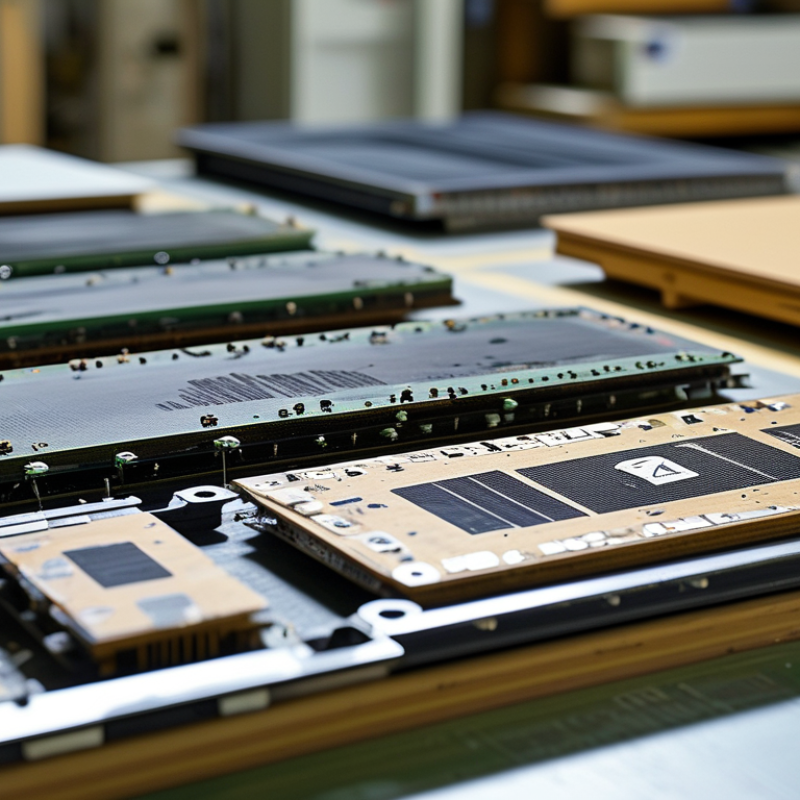
Understanding PCB Sheet Material Types and Their Properties
When it comes to selecting PCB sheet materials, understanding the types available is crucial. FR-4 is the most common type, renowned for its electrical insulation and thermal stability. A recent report indicated that FR-4 accounts for over 80% of the PCB market due to its versatility and affordability. This glass-reinforced epoxy is suitable for various applications, including consumer electronics and automotive components.
Another prominent material is polyimide. This high-performance option is lauded for its excellent flexibility and temperature resistance. With a thermal performance rating often exceeding 200°C, polyimide is essential for high-frequency and high-temperature environments. Studies show a growing demand for polyimide in advanced electronics, particularly in aerospace applications. Yet, it usually comes at a higher cost and might pose fabrication challenges.
Lastly, consider CEM-1 and CEM-3 materials. These composites blend epoxy and paper or woven glass and are gaining traction for their ease of manufacture. Reports suggest that CEM-3 offers better electrical performance than CEM-1. However, they may not always endure harsh conditions as well as FR-4 or polyimide. Balancing these properties with project requirements is key to choosing the right material.